Here’s a detailed review of Kinobu: Food, Tradition & Identity — a visually rich and culturally layered documentary that explores the world of high-end Kyoto cuisine through the lens of heritage, artistry, and identity.
🎬 Basic Info
- Title: Kinobu: Food, Tradition & Identity Rotten Tomatoes+3CHIKARA MOTOMURA+3hiff.org+3
- Director / Writer: Chikara Motomura (feature-documentary debut) hiff.org+1
- Runtime: Approximately 83 minutes. hiff.org
- Release / Screenings: Premiered at festivals (e.g., Hawai‘i International Film Festival) in 2024/25. hiff.org+1
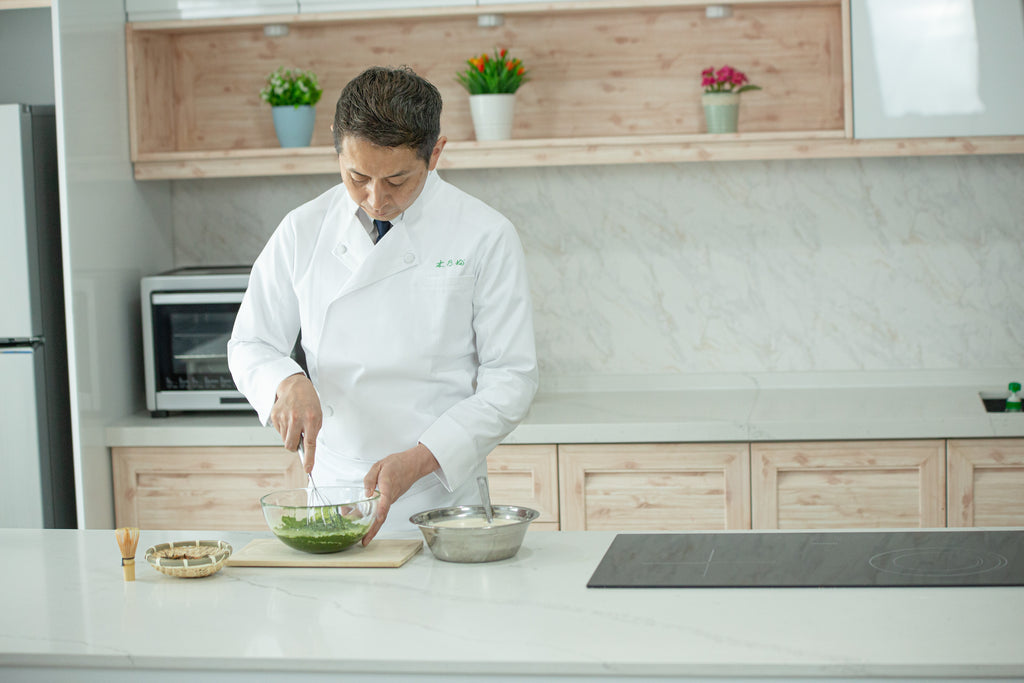
- Subject Matter: The film offers an immersive look inside the Michelin-starred Kyoto restaurant Kinobu and the creative journey of its third-generation chef-owner, Takuji Takahashi. The narrative explores how tradition, aesthetics, and identity inform Japanese haute cuisine. Rotten Tomatoes+1
✅ What Works — Key Strengths
1. Stunning Visual and Sensory Experience
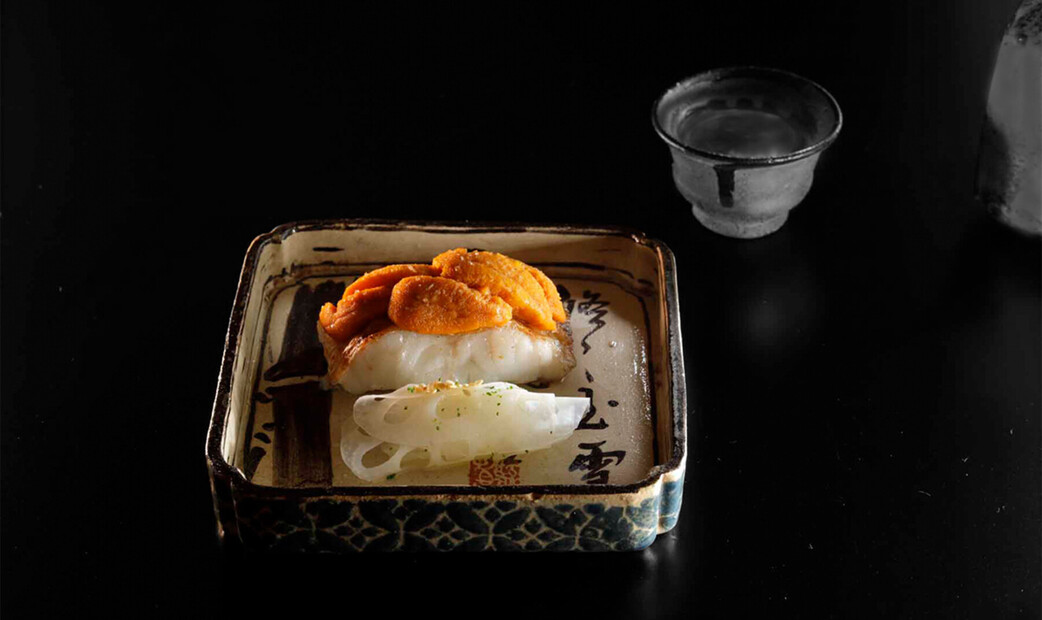
The documentary excels at creating an immersive, sensory-rich environment. We are taken through the quiet corridors, the removing of shoes before the private dining room with a garden view, the artistry of the dishes, the seasonality of ingredients. The film’s details—colour, composition, lighting—all contribute to a cinematic ASMR-like experience. Rotten Tomatoes+1
2. Deep Integration of Tradition and Craft
Takahashi’s story is compelling: he is not just a chef, but a practitioner of Noh theatre (for over 20 years) and a winemaker-collaborator with Japanese wine makers. His approach fuses the calm intensity of Noh with the creative expression of modern cuisine. The film shows how respect for centuries-old Japanese culinary traditions lives alongside innovation. MICHELIN Guide+1
3. Cultural Context and Identity Exploration
More than a food documentary, this film uses the restaurant as a microcosm to explore Japanese aesthetics, identity, seasonality, and the relationship between what we eat, how we present it, and where we come from. The interplay between nature, art-forms (like Noh, architecture, garden design) and cuisine gives the film a thoughtful architecture of meaning. hiff.org+1
4. A Quiet But Powerful Narrative Tone
Rather than relying on flashy edits or dramatic conflict, the film uses calm deliberation to reflect the ethos of its subject. It mirrors the serenity of the setting and the precision of the craft. This makes the viewing experience meditative and reflective.
⚠️ What Could Be Better — Limitations & Caveats
1. Limited Drama or Narrative Conflict
Because the film embraces a meditative, observational style, viewers seeking high-stakes drama or conflict might find the pace slow or the stakes less immediately gripping. The tension is subtle (internal, craft-based) rather than overt.
2. Level of Accessibility
While beautifully made, aspects of the film assume a certain sensitivity to Japanese culture, culinary tradition and visual design. Audiences unfamiliar with Kyoto cuisine or the fine dining world may appreciate the visuals but might miss some of the deeper cultural nuances.
3. Scope vs Depth Trade-off
Given its relatively short runtime (~83 mins) and concentrated subject (one restaurant, one chef), the film does not deeply explore broader Japanese food industry issues (e.g., labour, sustainability at scale, globalisation). It remains tightly focused. Some may wish for a wider canvas.
🧠 Themes & Insights
- Seasonality & Impermanence (Mono-no-aware): The film repeatedly emphasises how Japanese cuisine is tied to seasons, change, and ephemeral moments—mirrored in dish composition, colour palettes, and presentation.
- Tradition as Foundation, Not Constraint: Takahashi honours centuries of culinary tradition yet uses it as foundation to explore new expressions. This tension between past and future is central.
- Performance & Discipline in Craft: The parallels between Noh theatre and high-end cuisine (discipline, restraint, precision, ritual) are emphasised — offering insight into how cooking becomes performance art.
- Space & Hospitality as Identity: The journey into the restaurant—from busy Kyoto street to corridor to private room with garden—reflects how architecture, space, ritual and hospitality define culture and identity.
- Aesthetics of Simplicity and Elevation: The film repeatedly shows how minimalist beauty, refined technique and deep respect for ingredients create dishes that are both simple and elevated — reinforcing the concept of “less is more”.
🎯 Final Verdict
Kinobu: Food, Tradition & Identity is a quietly compelling and visually sumptuous documentary that will delight viewers interested in food, culture and the intersections of tradition and modern craft. It may not provide explosive narrative tension, but its strength lies in its aesthetic coherence, reflective tone and cultural insight.
Rating: 8 / 10
- ✅ Why: Beautiful cinematography, cultural depth, strong subject matter; an immersive cinematic experience of food and tradition.
- ⚠️ Why not higher: More dramatic arc or broader scope might have lifted it further; niche appeal may limit audience breadth.
Recommended for:
- Food-culture enthusiasts, documentary lovers, fans of Japanese aesthetics and craft.
- Viewers seeking meditative, sensory cinematic experiences rather than fast-pace narratives.
- Anyone interested in how tradition, identity and artistry intersect in cuisine.
About the Author


