
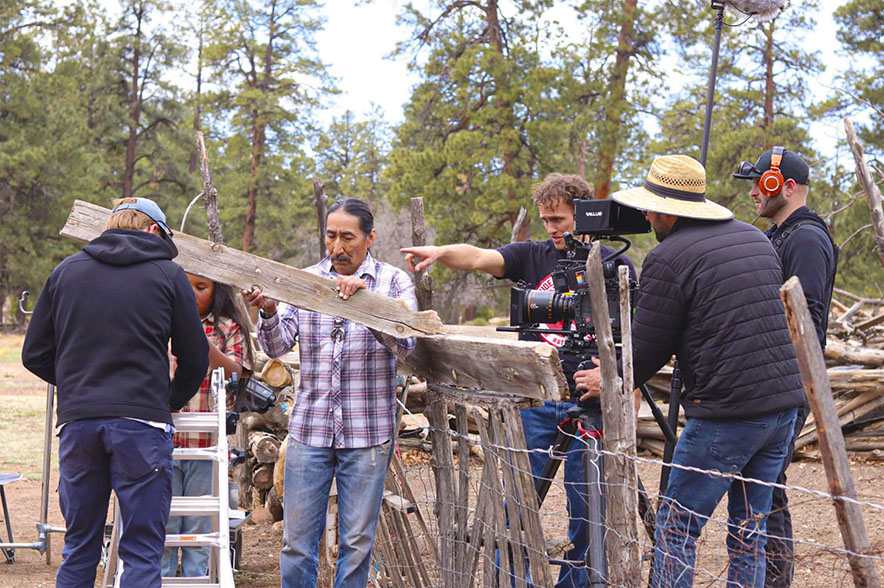
🎬 Basic Info
- Title: Finding Hozho (2025) — directed, written, and produced by Travis Holt Hamilton. Letterboxd+2Movie Insider+2
- Runtime: 1 h 38 min. Fandango+1
- Release Date: November 7, 2025 (limited theatrical). Letterboxd+1
- Genre / Theme: Drama centred on reconciliation, forgiveness, and Indigenous (Navajo/Diné) culture. IMDb+1
- Synopsis: Seventy-year-old Secody offers his terminally ill, abusive father a home in his final days—forcing him to face painful childhood memories and wrestle with the possibility of forgiveness or remain bound by the shadows of “Hózhó”. IMDb+1
✅ What Works — Strengths
1. Raw Emotional Core
The heart of the film lies in Secody’s struggle: welcoming into his home an abusive father when time is short. That tension—care vs resentment, duty vs trauma—drives the narrative in a way that feels deeply human. The synopsis itself speaks to a “last chance … to give his terminal … father a loving place to stay”. The Numbers+1
2. Authentic Indigenous Representation and Setting
Reviews highlight the film’s cultural grounding: The use of the Navajo language, the portrayal of reservation life, the concept of “Hózhó” (often translated as “balance”, “beauty”, “harmony”) all bring unique texture. Audience remarks include:
“Finding Hozho was an incredible movie with so much to offer … the use of the Navajo language throughout the film was remarkable.” Rotten Tomatoes
This level of cultural specificity is a key strength.
3. Visual & Cinematic Cinematography
While the film is intimate, reviewers point to its beautifully captured landscapes, lighting, and tone. One viewer wrote:
“Gorgeous cinematography and lighting too.” Rotten Tomatoes
The natural beauty of the reservation setting becomes part of the story’s emotional fabric.
4. Resonant Themes of Forgiveness & Healing
The film emphasizes that forgiveness is not optional but essential for healing. One audience member reflected:
“It captures the resilience born from a challenging childhood on the Navajo reservation … strength and hope speak to every culture.” Rotten Tomatoes
The line “Don’t wait your entire life to forgive” is cited as memorable, reinforcing the film’s message. Rotten Tomatoes+1
⚠️ What Could Be Better — Limitations
1. Narrative Familiarity
While the story is emotionally compelling, some viewers note that the structure falls into familiar beats: confronting trauma, caregiving the parent, letting go. One review:
“I think the story left me wanting something deeper, something new.” Rotten Tomatoes
So viewers looking for radical narrative innovation may feel that the film plays within comfortable drama territory.
2. Depth of Character Back-story
The film emphasises the present conflict (Secody caring for father) but some characters—particularly the father, or secondary family members—receive less development. The emotional weight is high, but the background context may feel thinner to some.
3. Accessibility for Non-Cultural Audiences
While the Navajo cultural elements are a strength, they may also require some cultural literacy to fully appreciate. Some viewers unfamiliar with “Hózhó” or Indigenous context might miss some of the deeper resonance. One viewer expressed wanting “more from the film than a good message.” Rotten Tomatoes
🧠 Themes & Key Discussion Points
- Healing vs Holding On: The film asks whether one can genuinely host someone who caused deep pain, and what it takes to break free from past wounds.
- The Meaning of “Hózhó”: Seen as wellness, balance, and harmony in Navajo philosophy, the title and narrative gravitate around achieving or reclaiming “Hozho”.
- Intergenerational Trauma & Redemption: Secody’s act of caregiving forces a reckoning with childhood trauma and the possibility of change.
- Cultural Identity & Voice: The film positions Indigenous voices at its centre—language, setting, worldview making it more than a generic drama.
- Time, Regret & Action: The story emphasizes urgency—“on the verge of an emotional breakdown … must fight to forgive or live in the shadows of Hozho forever.” The Numbers+1
🎯 Final Verdict
Finding Hozho is a heartfelt, moving drama that deftly weaves Indigenous culture, personal trauma, and the possibility of forgiveness into a cinematic experience. It may not reinvent the genre, but in its sincerity, cultural authenticity and emotional weight, it stands out.
Rating: 7.5 / 10
- ✅ Why: Powerful themes, strong representation, visual beauty, and emotional resonance.
- ⚠️ Why not higher: Some narrative familiarity, character back-stories could go further, and the impact might be strongest for audiences attuned to the cultural context.
Recommended for:
- Viewers interested in stories of family, forgiveness, healing and Indigenous voices.
- Audiences who appreciate culturally grounded dramas with emotional depth.
- Anyone looking to discover films outside the mainstream, with meaningful storytelling.
About the Author


