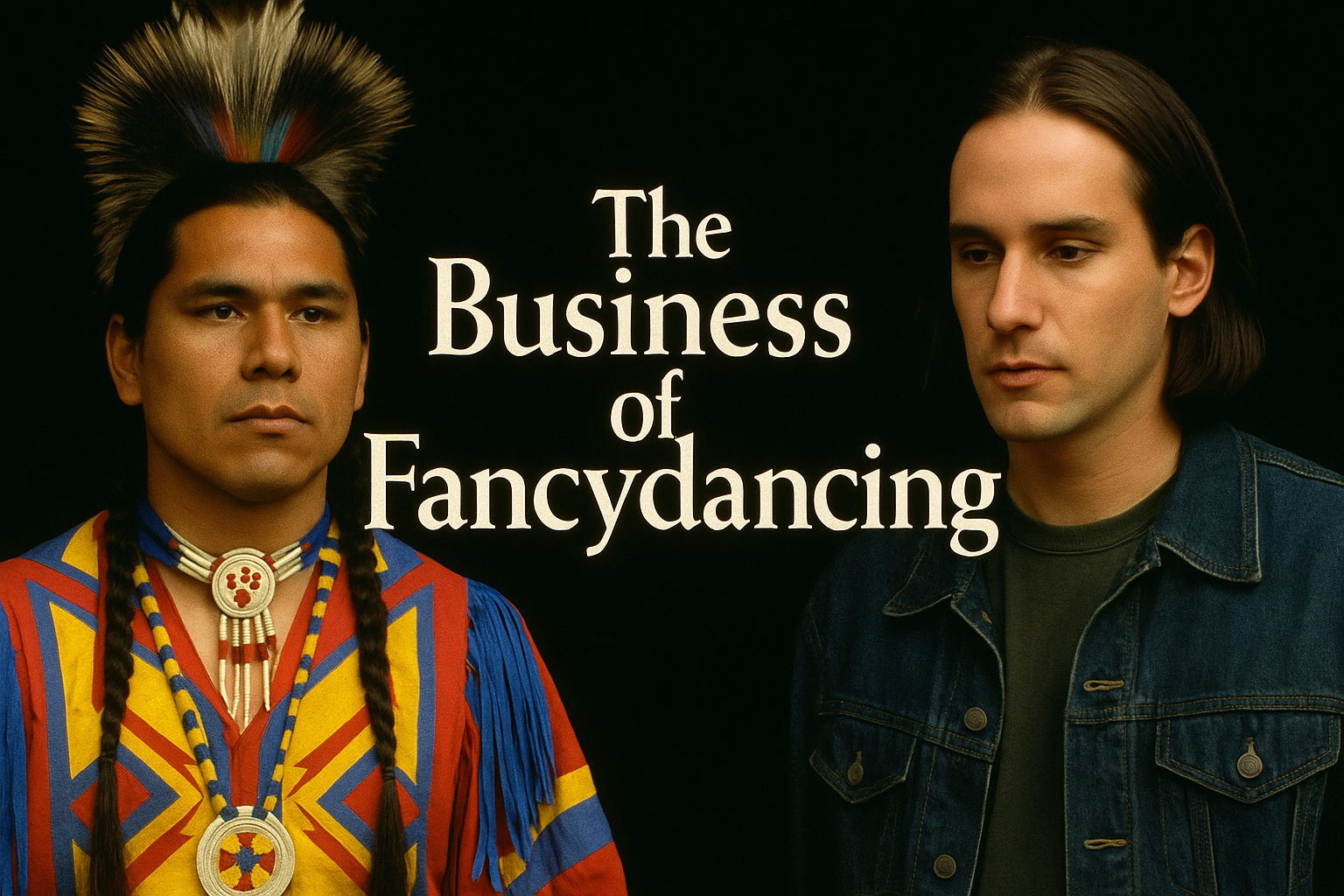
A poetic, intimate film about identity, memory, and the painful beauty of returning home.
🎬 Introduction
Released in 2002 and directed by acclaimed Native American writer Sherman Alexie, The Business of Fancydancing is a deeply personal, small-budget independent drama that examines the complicated crossroads between culture, identity, and art.
It’s not a traditional narrative film.
It’s a lyrical confession — part poem, part memory, part confrontation.
Through soft, fractured storytelling, the movie explores what it means to leave your community for success, and whether you can ever return as the same person.
📖 Plot Summary (Spoiler-Free)
The story follows Seymour Polatkin, a gay Spokane poet who has gained fame reading and selling work inspired by the reservation he left behind.
When Seymour’s childhood friend Mickey dies, he returns home for the funeral — a place he hasn’t visited in years, and one he left under emotional pressure and cultural rejection.
Back on the reservation, Seymour must confront:
- Old friends who feel betrayed
- A community that accuses him of exploiting their stories
- A buried relationship with Agnes, a woman who knew him before he was “Seymour the poet”
- His own identity as a gay Indigenous man who never felt fully accepted anywhere
The result is a poetic, sometimes painful journey through memory, guilt, and longing.
🌟 What the Film Does Brilliantly
✔ 1. Lyrical, Poetic Structure
The film blends:
- documentary-style interviews
- dreamlike flashbacks
- performance poetry
- reservation life
- modern city life
This hybrid structure creates a rhythm that feels raw and honest.
✔ 2. Complex Exploration of Identity
Sherman Alexie examines the conflict of:
- living between two worlds
- belonging to neither
- choosing art over tradition
- survival vs loyalty
Seymour is a character rarely seen in early 2000s cinema — an Indigenous queer poet navigating guilt and ambition.
✔ 3. Powerful Character Interactions
Much of the film revolves around difficult conversations:
- Seymour and Agnes share heartbreaking emotional history
- Seymour and Aristotle argue over “selling out”
- Seymour and Mouse (Mickey’s widow) confront grief
These scenes feel like real people tearing open old wounds.
✔ 4. Deep Cultural Reflection
The film gives honest insight into:
- reservation trauma
- alcoholism
- buried anger
- community survival
- internalized shame
- and the bittersweet power of art
It does not sanitize anything — but neither does it stereotype Indigenous life.
⚠️ Where the Film Falls Short
❌ 1. Very Art-House Style
The film is not for everyone.
Its poetic structure may feel slow or confusing to viewers expecting a traditional plot.
❌ 2. Low-Budget Production
Shot on a small budget, some scenes look raw and unpolished.
For some, that adds realism — for others, it may feel distracting.
❌ 3. Emotional Distance at Times
Because Seymour is emotionally guarded, some viewers may find it hard to connect with him early in the film.
🧠 Themes That Make the Film Special
🔹 Belonging vs Escape
Can you leave home without abandoning it?
Can you return without apologizing?
🔹 Art as Survival — and Betrayal
Seymour’s pain becomes poetry.
His poetry becomes income.
His income becomes distance.
What is the price of telling the truth?
🔹 Queer Identity in Indigenous Culture
The film subtly but powerfully portrays the tension between Two-Spirit identity and community expectations.
🔹 Memory, Guilt, and Mourning
The death of Mickey forces Seymour to reckon with the ghosts of his past — not just people, but versions of himself.
🎯 Final Verdict
⭐ 8.2 / 10 — A bold, intimate, poetic film that still resonates today.
The Business of Fancydancing is not mainstream, and it never tries to be.
It’s a reflection — a mirror held up to the complexities of cultural identity, sexuality, friendship, grief, and artistic responsibility.
About the Author


