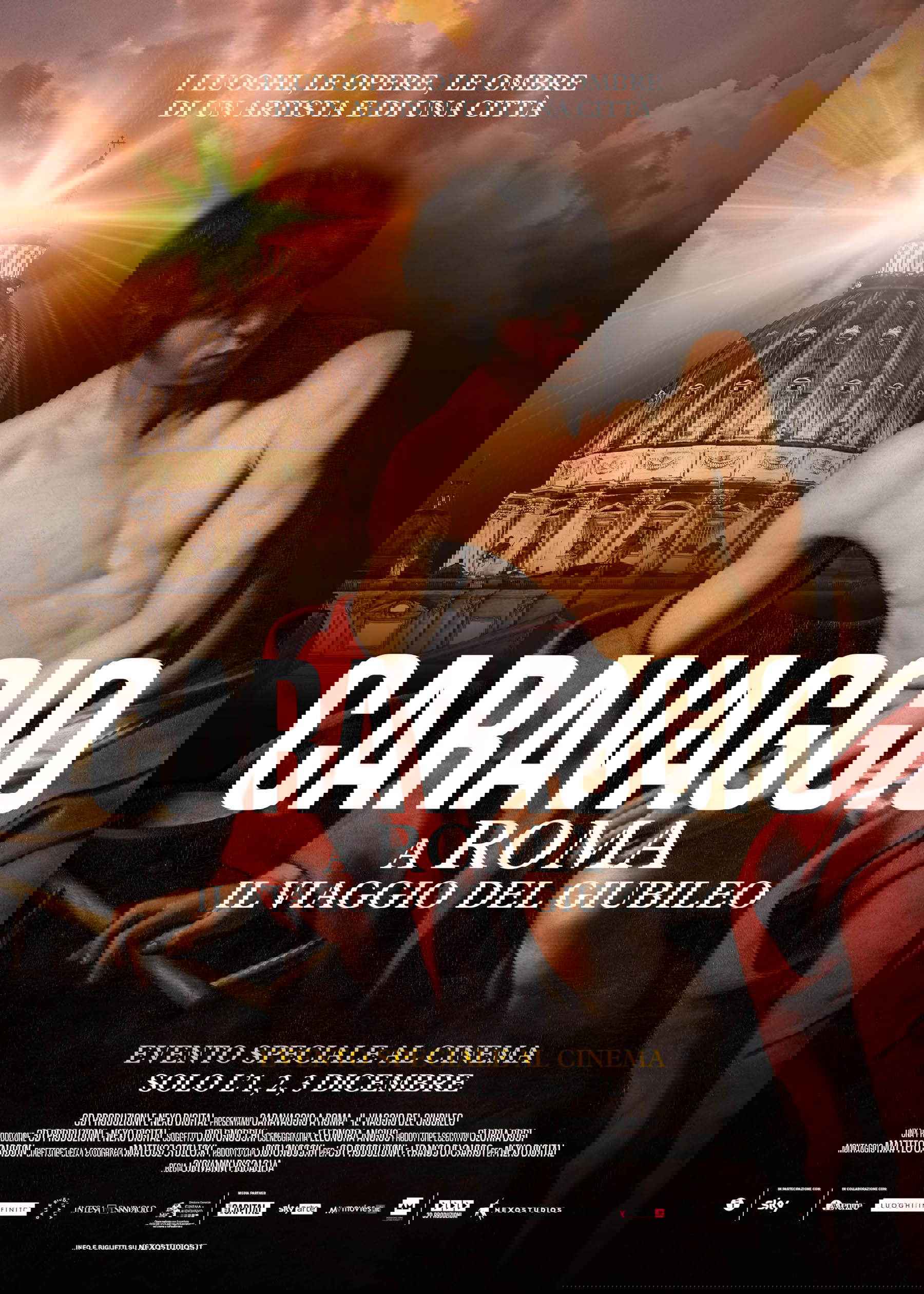
Here’s a full, in-depth review of Exhibition on Screen: Caravaggio, exploring its strengths, weaknesses, thematic richness and its appeal — ideal for a blog or website about art, film or cultural content.
🎬 Basic Info
- Title: Exhibition on Screen: Caravaggio (2025) The Reviews Hub+5Warwick Arts Centre+5Exhibition On Screen+5
- Directors: David Bickerstaff & Phil Grabsky The Reviews Hub+1
- Running Time: Approx. 100 minutes (or 1 h 41 m) Warwick Arts Centre+1
- Format: Documentary/biography in the “Exhibition on Screen” series — combining expert commentary, high-resolution art-reproductions, and dramatised sequences. FILMHOUNDS Magazine+1
- Premise: The film traces the life, work and legacy of Michelangelo Merisi da Caravaggio (commonly “Caravaggio”), delving into his revolutionary painting techniques, his turbulent life (including violence and exile), and the lasting impact of his art across Europe. Forest of Dean & Wye Valley Review+2Exhibition On Screen+2
✅ What Works — The Strengths
1. Visual and Technical Excellence
One of the major achievements of the film is the way it presents the paintings of Caravaggio with stunning clarity and cinematic care. The close-up shots of canvases, the lighting, the reproduction of texture, brushwork and chiaroscuro make the viewer feel as though they’re standing before the original works. For instance, the expert at The Reviews Hub writes:
“The format shows us the significant works … we explore Caravaggio’s use of chiaroscuro … the film captures art from throughout his career.” FILMHOUNDS Magazine+1
This kind of visual immersion is rare in art documentaries and is a major selling point.
2. Balanced Blend of Biography and Art Analysis
Rather than just a linear life-story, the film intelligently intertwines Caravaggio’s biography with analysis of his major works, linking his personal experience (violence, exile, patronage) with artistic decisions (use of light, realism, modelling from life). For example, the review in The Guardian mentions how the film “plays to the strengths … beautifully crisp and detailed close-ups of the work, well-informed and articulate talking-heads.” The Guardian+1
This dual approach — “life and art” together — gives the documentary depth and makes it engaging for both art-lovers and general audiences.
3. Dramatised Sequences Add Narrative Energy
Unlike some pure “lecture-style” documentaries, this film uses dramatised scenes: an actor (Jack Bannell) portrays Caravaggio in monologue or walking-through scenes, bringing a human face to the mythic painter. The Reviews Hub mentions:
“Jack Bannell’s Caravaggio is playful and charismatic … the inability to take responsibility for his actions is at the core of Caravaggio’s character.” The Reviews Hub
These sequences help to breathe life into the narrative and break up the “art commentary” sections, making the film more dynamic and accessible.
4. Strong Thematic Exploration
The film does not shy away from Caravaggio’s darker aspects: his violence (he killed a man and fled Rome), his use of street models and common people in religious paintings, his struggle with patronage and exile. All of these are woven into the art analysis. For example, the film shows how The Beheading of Saint John the Baptist positions action and darkness in a way that reflects the artist’s turbulence. FILMHOUNDS Magazine
By doing so, the documentary underscores how Caravaggio’s life and art were inseparable — a powerful insight for viewers.
⚠️ Where It Falls Short — The Weaknesses / Caveats
1. Traditional Documentary Structure
While the film is visually excellent and rich in detail, some critics feel it adheres quite closely to the standard “talking heads + art close-ups + dramatization” format, rather than breaking major new structural ground. The Guardian review says:
“By contrast, this Caravaggio is a much more orthodox art-documentary treatment …” The Guardian
For viewers seeking a fully experimental or avant-garde documentary form, this might feel comfortable rather than bold.
2. Depth vs. Scope Trade-Off
With a life as complex as Caravaggio’s (short, intense, full of missing documentation, myth, legend), the film inevitably has to make choices — which works to emphasise, which episodes to gloss over. Some viewers may feel certain parts of his later exile years or less-famous works are not given full weight. The FilmHounds review notes how the film “progresses chronologically” but suggests the dramatizations are needed because documentary sources are thin. FILMHOUNDS Magazine
This is not a flaw per se, but reflects the challenge of covering such a rich subject in limited runtime.
3. Accessibility vs. Scholarship
The film walks a fine line between being accessible to general audiences and satisfying art-history aficionados. In doing so, it may not go as deep into hyper-specialised scholarship as academic monographs on Caravaggio. Some specialists may find it more introductory than exhaustive. That said, for most viewers, this is a strength rather than a weakness.
🧠 Themes & Key Takeaways
- Light & Darkness (Chiaroscuro) as Signature: Caravaggio’s dramatic use of strong light and deep shadow is more than stylistic — the film shows how he used it to focus the viewer’s attention, create emotional tension and collapse distinctions between sacred and secular.
- Reality & Rawness: Unlike the idealised religious painting tradition, Caravaggio painted real people — bar-maids, thieves, the wounded, the divine in the ordinary. The film highlights this democratizing impulse.
- Artist as Persona & Myth: Caravaggio’s life (fights, exile, arrest, patronage) becomes inseparable from his art. The film explores how his personal narrative shaped interpretations of his painting and how his myth grew.
- Patronage, Power & Church: As the film travels from Rome to Naples, Malta, we see the intersections of art, politics and religion — how an artist’s genius is shaped by (and in conflict with) institutions.
- Legacy & Influence: The documentary gives weight to Caravaggio’s long-term impact — across Europe, influencing generations of painters and even cinema (lighting, realism, portraiture).
🎯 Final Verdict
Exhibition on Screen: Caravaggio is a compelling, beautifully made documentary that offers both visual pleasure and intellectual engagement. It may not revolutionise the documentary form, but it excels in its mission: to bring Caravaggio’s art and life into engaging focus for a wide audience.
Rating: 8.5/10
- ✅ Why it earns this: Stunning visual presentation, smart interweaving of life + art, accessible yet insightful.
- ⚡ Why it doesn’t score higher: Slightly conventional structure, scope limitations in covering all facets of Caravaggio’s life.
About the Author


